


Additional Structures
Descriptions
The terms below have different meanings to different parties in the real estate and construction industries and may have different meanings regionally. One person’s “shed” might be another person’s “workshop”.
The following definitions and pictures are meant to help clarify which option to use when selecting an Additional Structures from the DwellingCost Additional Structures Menu.
Cost Data only applies to improvements that are classified as Real Property (permanently affixed).
Not sure of quality rating? Simply click “Calculate for Me” from the drop-down menu and we’ll estimate the quality for you.
Other Definitions
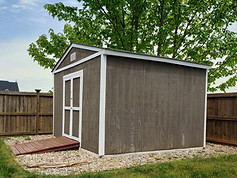
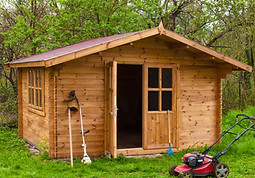
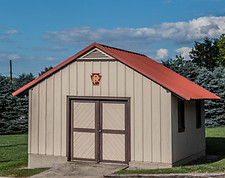
Shed:
Suitable for storage of home & garden items, lightweight machinery and equipment, supplies, tack room, etc. The floor may be concrete slab (without footings), pavers, wood or metal frame with wood/composite sheathing, or no floor (soil). May have some electrical service that is supplied by another structure (branch circuit from main electrical panel). Sheds typically do not have electrical subpanels. If it does, you may want to consider using the workshop module. May have minimal plumbing with supply/waste lines supplied by another structure.



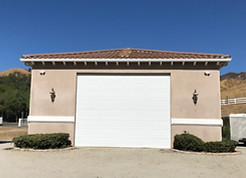
Workshop:
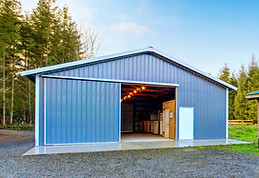
Suitable for completing small to large projects and repairs, maintaining vehicles and heavy equipment, room for storage and operation of miscellaneous tools and machinery. More permanent than a shed. Will likely have a weight-bearing foundation with footings. May have electrical service supplied by a branch circuit from another structure or may have its own subpanel. May have minimal plumbing with supply/waste lines supplied by another structure.




Bonus Room:
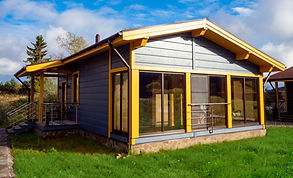
Habitable space for office or recreational use. Unlike a guest house/ADU, not suitable for full-time occupancy or living quarters due to a lack of cooking and bathing facilities. Will have a standard residential foundation with footings, a finished interior with insulated walls, and a finished ceiling with insulation. Electrical may be supplied by a branch circuit from the dwelling’s main panel or may have its own subpanel. May have minimal plumbing with supply/waste lines supplied by another structure.




Barn:
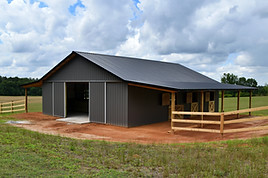
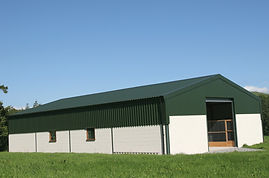
Purpose-built structures that may be designed to board animals, storage and repair of heavy equipment or vehicles, storage of supplies or feed, hobby farm production equipment, etc. Enclosed or semi-enclosed structure. Large openings or doors that allow access for heavy equipment or livestock. May be an open area or have a significant amount of partitioned area for animals, tack, veterinary procedures, or a small office. May have a weight-bearing foundation with footings or be of pile construction (pole barn). May or may not have a floor (dirt/soil/gravel). Electrical may be supplied by a branch circuit from the dwelling’s main panel or may have its own subpanel. May have minimal plumbing with supply/waste lines supplied by another structure.



Other Definitions
Footing:
The bottom part of a foundation wall, with a course of concrete wider than the base of the wall. Not all slabs have footings. Concrete slabs that don’t have structures on them usually do not have footings. Slabs designed to carry the load of a structure usually do have footings.
Foundation:
The lowest load-bearing part of a building, typically below ground level.
Pile (Pole Barn):
A pile foundation is defined as a series of columns constructed or inserted into the ground to transmit loads to a lower level of subsoil. A pile is a long cylinder made up of strong material, such as concrete, wood, or metal. Piles transfer the loads from structures to hard strata, rocks, or soil with high bearing capacity.
Subpanel:
A subpanel is a secondary circuit breaker panel that is supplied by the primary panel but has its own breakers. Typically, a smaller service panel that distributes power to other buildings on the property.